


Horse Health
Ulcers in Horses: Signs, Feeding and Gut Support
What stomach and hindgut ulcers can look like, the everyday habits that help, and where G-Tract fits.
- 4.93 from 5,598 reviews
- Free US shipping on subscriptions
- 30-day returns, even opened tubs
Ulcers are one of the most common worries for horse people, and for good reason. Studies have found stomach ulcers in a large share of performance horses, and in plenty of pleasure horses too. The good news is that much of what helps happens in the barn every day: lots of forage, regular turnout and a calm routine. Your vet confirms ulcers and leads any treatment. G-Tract backs up your routine with daily support for a healthy stomach lining and comfortable digestion from foregut to hindgut.
Key points
- Stomach ulcers are common, especially in horses in regular work, on big grain meals or with long gaps between feeds.
- Girthiness, picky eating, a dull coat or a change in attitude can all be signs, and only your vet can confirm ulcers.
- Steady forage, turnout and a calm routine are the foundation of a healthy stomach.
- G-Tract helps maintain a healthy stomach lining and normal digestive comfort. It doesn't treat ulcers.

Why horses get ulcers
A horse’s stomach makes acid around the clock, whether he’s eating or not. Chewing forage makes saliva, which helps buffer that acid, and a steady supply of hay or grass keeps a protective mat of fiber in his stomach.
The upper part of the stomach doesn’t have the same protective lining as the lower part, so it relies on that fiber and saliva. That’s why long gaps between meals, big grain feeds, hard work, travel, stall time and stress can all leave a horse more prone to ulcers. Ulcers can also form further along, in the hindgut, where they’re harder to spot.
Signs of ulcers in horses
- Girthiness or grumpiness when you tighten the girth or brush his belly
- Picky eating, leaving feed or eating slowly
- Weight loss or a dull coat
- A change in attitude under saddle, or reluctance to go forward
- Mild, recurring colic signs
- Loose manure, which can point to the hindgut
Only your vet can confirm stomach ulcers, usually with a gastroscope. Many of these signs overlap with other problems, so a proper check comes first. If your horse shows colic signs, call your vet right away.
Formula Finder
Not sure which formula fits?
Answer a few quick questions in the Formula Finder and we’ll suggest a starting point.

Everyday habits that help
- Forage first. Hay or grass in front of him for as much of the day as you can manage, with a slow feeder for easy keepers.
- Something to chew before work. A flake of hay, or some alfalfa if your vet agrees, before you ride.
- Smaller grain meals. If he needs concentrates, split them into smaller feeds.
- Turnout and company. Time outside with friends is good for his mind and his gut.
- Plan for stressful days. Travel, shows and stall rest are times to keep a closer eye on him.
- Clean water, always.
If your horse is on medication from your vet, or you’re planning a big change, check with your vet first.
Where G-Tract fits
Daily habits do the heavy lifting, and ImmuBiome G-Tract backs them up. It combines live yeast and probiotics with first-day bovine colostrum and Turkey Tail and Lion’s Mane prebiotics. Together they help maintain a healthy stomach lining, normal digestive comfort and a balanced microbiome from foregut to hindgut.
Many owners keep G-Tract going through training, travel and feed changes, when a horse’s gut has the most to deal with. It works alongside your vet’s care and doesn’t replace treatment for ulcers.
If his everyday defenses need support too, G-Tract or Immune explains which fits. You can also browse our hindgut and ulcer supplements or read more about horse gut health.
Ulcer questions owners ask
What are the first signs of ulcers in a horse?
Owners often notice girthiness, picky eating or a change in attitude first. Weight loss, a dull coat and mild colic can follow. These signs overlap with other problems, so ask your vet to take a look.
How do vets diagnose stomach ulcers in horses?
Usually with a gastroscopy, where your vet passes a small camera into the stomach while your horse is sedated. Hindgut ulcers are harder to see, so your vet will look at the whole picture.
What should I feed a horse prone to ulcers?
Plenty of forage through the day, smaller grain meals if he needs them, and a little hay before work. Your vet or nutritionist can help with the details for your horse.
Can a supplement treat ulcers?
No. Diagnosed ulcers need your vet, who may prescribe medication. G-Tract helps maintain a healthy stomach lining and normal digestive comfort as part of daily care, during and after your vet’s plan.
What’s the difference between stomach and hindgut ulcers?
Stomach (gastric) ulcers form in the stomach lining, often in the upper part. Hindgut (colonic) ulcers form further along, in the large intestine. Both are linked to feeding, stress and management, and both need your vet to diagnose.
Can I give G-Tract while my horse is on ulcer medication?
Many owners do, but check with your vet first so G-Tract fits the plan they’ve set.
Shop gut support
Daily support for a healthy gut
Every formula ships free on subscription, and you can return any tub within 30 days, even opened.
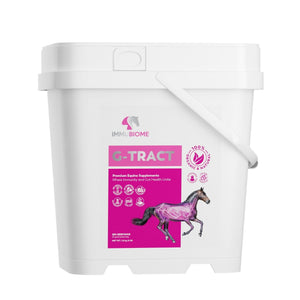
G-Tract
4.93 (778)
From $69
Live yeast, probiotics, colostrum and mushroom prebiotics to support the stomach lining and digestion from foregut to hindgut.
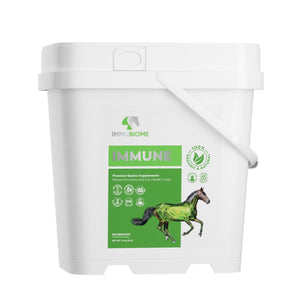
Immune
4.94 (530)
From $69
Colostrum, probiotics and live yeast to support the gut and everyday defenses together.
More ImmuBiome formulas
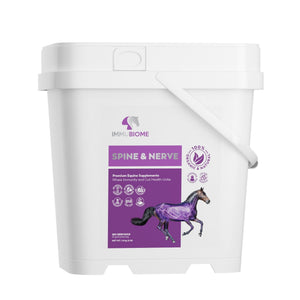
Spine & Nerve
4.9 (1276)
From $69
Lion’s Mane plus five more mushrooms for daily spine and nerve support.
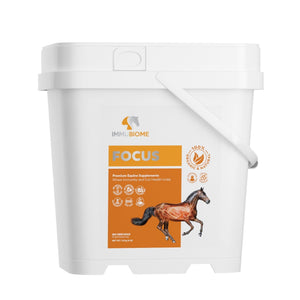
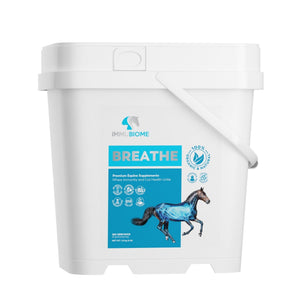
Breathe
4.91 (545)
From $69
Cordyceps, Reishi and Chaga for healthy airways in dust and pollen season.
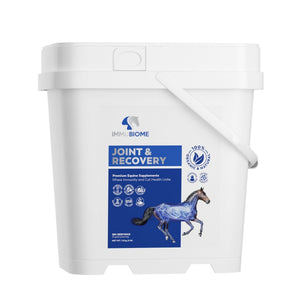
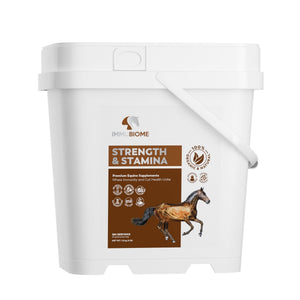
Strength & Stamina
4.96 (359)
From $69
Cordyceps, King Trumpet and colostrum for hooves, coat and stamina.
Keep reading

Signs of Ulcers in Horses, and How G-Tract Supports the Gut
The signs owners spot first, and where G-Tract fits.
Read the article
Equine Gastrointestinal Series: Gastric Ulceration
A closer look at stomach ulcers and what puts horses at risk.
Read the article
Equine Gastrointestinal Series: The Esophagus and Stomach
How the horse’s stomach is built, and why forage matters.
Read the articleThis page is for general information and isn’t a substitute for advice from your veterinarian. These statements have not been evaluated by the FDA. Our products are not intended to diagnose, treat, cure or prevent any disease.
