


Key Ingredients
Nucleotides for Horses
What they are and why the gut lining uses so many.
- 4.93 from 5,590 reviews
- Free US shipping on subscriptions
- 30-day returns, even opened tubs
The cells lining your horse’s gut replace themselves every few days. Old cells wear out and are shed, new ones move up to take their place, and that takes a lot of building material. Nucleotides are one of the raw materials the lining uses to do it.
Key points
- Nucleotides are the building blocks of DNA and RNA in each of your horse's cells.
- The gut lining and immune cells renew quickly, so they use the most nucleotides.
- Horses make most of their own and recycle more, with a little coming from feed.
- Good forage and enough protein help him make what he needs.

What nucleotides are
Nucleotides are the small units that link together to make DNA and RNA, the instructions inside every cell. They also carry energy around the cell (ATP is a nucleotide) and help cells signal to each other.
Every time a cell divides it copies its DNA, and that uses nucleotides. Tissues that renew quickly need the most. In horses, two stand out: the gut lining and the immune cells.
Where horses get them
- Made from scratch. A horse can build his own, using energy and protein.
- Recycled. He can salvage them from cells that have broken down.
- From the diet. Anything made of cells carries some, so feed adds a little.
Researchers call dietary nucleotides "conditionally essential". Most of the time the body makes enough, but growth, hard training and travel ask more of it. That’s when good forage and enough protein matter most.
Formula Finder
Not sure which formula fits?
Answer a few quick questions in the Formula Finder and we’ll suggest a starting point.

Why the gut lining cares
The intestinal lining is a single layer of cells under a protective coat of mucus, and it takes constant wear from acids, enzymes and the feed moving along about 100 feet of tract. Studies in several species suggest dietary nucleotides support normal growth and maturation of the cells lining the intestine and help maintain the mucosal layer. That’s the same barrier we cover on the leaky gut page.
Nucleotides and the immune system
Immune cells multiply quickly when they’re called on, so they need nucleotides too. Research in young animals links dietary nucleotides with support for normal immune function, one reason they show up in infant formula and young livestock diets.
Most of this research is in other species, so we see it as useful background, not a promise.
How to help your horse keep up
- Feed the whole horse. Good forage, enough protein for his work and balanced vitamins and minerals let him make his own.
- Plan for busy stretches. Show season, long hauls and coming back into work raise demand.
- Look after the gut as a whole. Plenty of forage, clean water and slow feed changes help the lining keep up with its normal turnover.
If your horse is losing weight, off his feed or not bouncing back, get your vet involved before you change anything.
Daily gut support from ImmuBiome
Nucleotides are only one part of gut health. The rest comes down to a consistent routine and daily support. ImmuBiome G-Tract is our everyday gut formula, with probiotics, colostrum and Turkey Tail and Lion’s Mane prebiotics. ImmuBiome Immune builds on the same colostrum, mushroom and probiotic base, with a lean toward your horse’s natural defenses. Most of the line, Breathe and Joint & Recovery included, carries that same probiotic, prebiotic and colostrum base.
Related pages
- Colostrum, which also matters for the gut lining
- Gut health and digestive health
- Prebiotics and probiotics
- Leaky gut supplements and immune support formulas
Nucleotide questions
Are nucleotides the same as amino acids?
No. Amino acids build proteins. Nucleotides build DNA and RNA and help move energy around inside cells. Both are essential, but they do different jobs.
What feeds contain nucleotides?
Anything made of cells carries some, so hay and feed add a little. Most horses make the rest themselves, as long as they get enough protein and energy.
When might a horse need more nucleotides?
During periods of fast growth, hard training, travel, or recovery from a hard stretch, when the gut lining and immune cells are working harder than usual.
Can a horse get too many nucleotides from his diet?
At the levels found in normal feeds, it’s very unlikely. If your horse has kidney or metabolic concerns, ask your vet before adding anything new.
Do young horses benefit from dietary nucleotides?
Much of the research on dietary nucleotides comes from young animals, whose guts and immune systems are still developing. Talk to your vet about what makes sense for a foal or yearling.
Shop gut support
Daily gut support
Every formula ships free on subscription, and you can return any tub within 30 days, even opened.
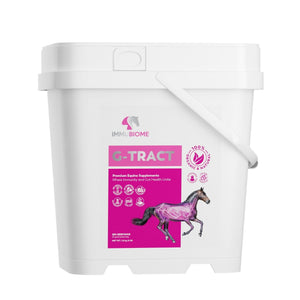
G-Tract
4.93 (777)
From $69
Probiotics, colostrum and Turkey Tail and Lion’s Mane prebiotics for daily gut support.
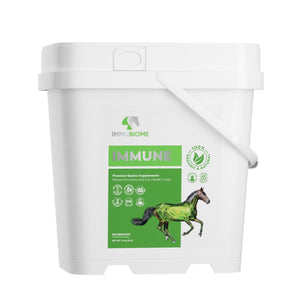
Immune
4.94 (529)
From $69
Turkey Tail, Lion’s Mane, colostrum and probiotics for everyday immune and gut support.
More ImmuBiome formulas
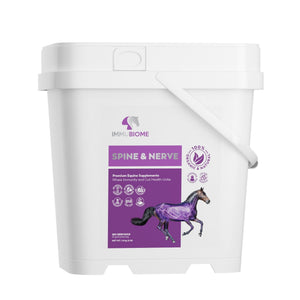
Spine & Nerve
4.9 (1273)
From $69
Lion’s Mane plus five more mushrooms for daily spine and nerve support.
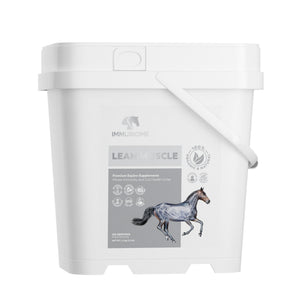
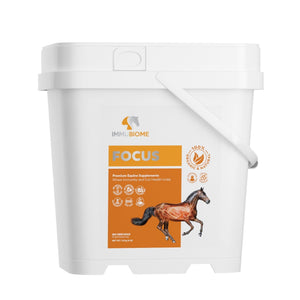
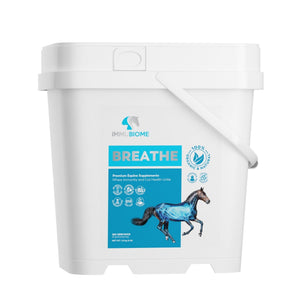
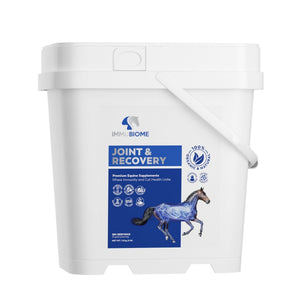
Breathe
4.91 (544)
From $69
Cordyceps, Reishi and Chaga for healthy airways in dust and pollen season.
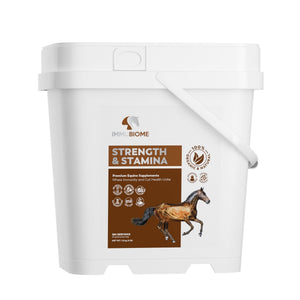
Strength & Stamina
4.96 (358)
From $69
Cordyceps, King Trumpet and colostrum for hooves, coat and stamina.
Keep reading

Horse Intestines: Length, Cecum & Why Gut Care Matters
Read the article
Horse Upper Digestive Tract Overview
Read the articleThis page is for general information and isn’t a substitute for advice from your veterinarian. These statements have not been evaluated by the FDA. Our products are not intended to diagnose, treat, cure or prevent any disease.
