


Gut Health
Horse Digestive Health
How it works from teeth to hindgut, and what keeps it moving.
- 4.93 from 5,596 reviews
- Free US shipping on subscriptions
- 30-day returns, even opened tubs
A horse can’t throw up. Once feed is past the stomach it’s going one direction only, which explains a lot about why horse people watch digestion so closely. Good digestion mostly comes down to barn routine, and G-Tract can back that up every day.
Key points
- Feed travels one way only, roughly 36 to 72 hours from mouth to manure.
- Good teeth, clean water and plenty of forage do more for digestion than anything else.
- Pawing, rolling or looking at his side can signal colic, so call your vet.
- G-Tract supports normal digestion from the stomach through to the hindgut.

The horse digestive tract, section by section
- Teeth. Digestion starts with chewing. A horse on hay can make around 10 gallons of saliva a day, which helps buffer stomach acid.
- Stomach. Small for an animal his size and quick to empty. The upper part has a thin lining with little protection from acid, while the lower part makes acid all day.
- Small intestine. Absorbs most of the sugars, starch, fat, protein, vitamins and minerals, but it can only handle so much starch at once.
- Hindgut. The cecum and colon ferment fiber, reabsorb water and shape manure. Feed takes roughly 36 to 72 hours from mouth to manure.
The large colon folds back on itself in a couple of tight turns, one reason horses are prone to gut upsets there.
Why teeth matter more than you’d think
Sharp points, hooks or missing teeth change how a horse chews long before you see weight loss. Watch for dropped feed (quidding), slow eating or long bits of hay in the manure. Most adult horses do well with a yearly dental check.
Follow a mouthful of hay through your horse’s gut
The horse digestive system is long, narrow in places and built for a constant trickle of forage. End to end, a horse’s intestines run close to 100 feet. Here’s what happens to one mouthful of hay on the way through, and why each stretch matters to the way you keep him.
Down the esophagus
Once he swallows, the hay travels down an esophagus about 4 to 5 feet long. A strong band of muscle where it meets the stomach only opens one way, which is why a horse can’t bring anything back up. If a horse bolts dry feed and it lodges on the way down (choke), you’ll often see feed and saliva coming from his nose. That’s a call-the-vet-now moment.
Through the small intestine
The small intestine is roughly 60 to 70 feet long, coiled up in the middle of the belly. It comes in three parts: the short duodenum, the long jejunum and the ileum. This is where enzymes break down protein, fat and starch, and where most vitamins and minerals are absorbed. Horses have no gallbladder, so bile drips in continuously instead of arriving in a rush after a meal. That’s one more reason a horse does best on many small helpings of forage through the day.
Into the cecum
Next comes the cecum, a blind-ended pouch on the right side about 4 feet long that holds around 8 gallons. Feed goes in and comes out near the top, so the cecum relies on constant filling from behind to keep things flowing. It’s the first big fermentation vat in the hindgut.
Around the large colon
The large colon runs 10 to 12 feet and is folded into four sections. Between two of them is the pelvic flexure, a hairpin turn where the colon suddenly narrows. Vets know it as a common spot for impactions, which is one reason they keep coming back to water and forage.
Out through the small colon and rectum
The last stretch, the small colon, is about 10 feet long. Here water is pulled back out and manure takes its familiar ball shape before it reaches the rectum.
What the hindgut microbes are doing
Horses are hindgut fermenters. Cows ferment fiber up front in a rumen; a horse does it at the back, in the cecum and colon. Trillions of bacteria, yeasts and other microbes there break down the fiber the small intestine can’t, and turn it into volatile fatty acids. Those acids supply a big share of a forage-fed horse’s energy. When that population is upset by a sudden change in hay, a trailer trip or a long day without forage, you tend to see it in the manure first.
That back half of the gut is the part ImmuBiome G-Tract was built around. Its probiotics and Saccharomyces live yeast support the microbes already living in the cecum and colon, its Turkey Tail and Lion’s Mane mushrooms bring the fiber those microbes ferment, and bovine colostrum supports the gut lining along the whole length. For the full story on that microbial community, see our gut microbiome page.
| Part | Roughly how big |
|---|---|
| Esophagus | 4 to 5 feet long |
| Stomach | Holds about 2 to 4 gallons |
| Small intestine | 60 to 70 feet long |
| Cecum | About 4 feet long, holds around 8 gallons |
| Large colon | 10 to 12 feet long |
| Small colon | About 10 feet long |
Want more detail on each stretch? Our small and large intestines chapter in the GI series goes deeper, and Getting To Know the Horse’s Microbiota covers the microbes themselves. If you’re riding out a bout of loose manure, Equine Diarrhea: What Owners Should Watch For is a good next read.
Formula Finder
Not sure which formula fits?
Answer a few quick questions in the Formula Finder and we’ll suggest a starting point.

Signs digestion isn’t quite right
- Manure that’s looser, drier or smaller than usual, or less of it
- Leaving feed or eating slower than normal
- Weight or topline slipping even though he’s getting enough
- Pawing, looking at his side, rolling or lying down at odd times
Pawing, looking at his side or rolling can be early signs of colic. Call your vet straight away rather than waiting it out.
The daily routine that helps most
- Water first. A horse at rest drinks roughly 5 to 10 gallons a day, more in heat or work. Offer loose salt so he wants to drink.
- Forage second. Hay or pasture should make up most of the diet, spread through the day. A slow feeder helps the horse who finishes everything by midnight.
- Small concentrate meals. Less starch spills into the hindgut.
- Slow changes. Change any part of the diet over a week or two.
- Movement. Turnout and exercise help the gut keep moving.
Where our horse gut supplements fit
ImmuBiome G-Tract supports normal digestion from the stomach to the hindgut. It brings probiotics, 25 billion CFU of live yeast, bovine colostrum and Turkey Tail and Lion’s Mane prebiotics. For horses who also need help holding condition, ImmuBiome Lean Muscle leads with 8,750 mg of colostrum and pairs well with it. ImmuBiome Immune shares G-Tract’s Turkey Tail, Lion’s Mane, probiotic and colostrum base and suits horses who travel a lot. Most of the rest of the line, Breathe and Joint & Recovery included, carries the same probiotics and prebiotics.
Related pages
- Gut health and the gut microbiome
- Leaky gut, nucleotides and colostrum
- Hindgut & Ulcer Support formulas
- Track manure, appetite and weight on My Horses
Digestion questions we hear a lot
How many stomachs does a horse have?
One. Cows have a four-chambered stomach, but a horse has a single, fairly small stomach and does his fiber fermenting further along, in the cecum and colon.
How long does it take feed to pass through a horse?
Usually somewhere between 36 and 72 hours from eating to manure, depending on the feed, how much he drinks and how much he moves.
Should I soak my horse’s hay or feed?
Soaking can help horses with poor teeth, horses who need more water in their diet, or horses whose hay is dusty. Talk it over with your vet, since soaking also changes the nutrients in hay.
How often should a horse’s teeth be checked?
Once a year suits most adult horses. Young horses, seniors and horses who drop feed often need checks every six months.
Does exercise help digestion?
Yes. Movement helps keep the gut moving, and long stretches of stall confinement are one of the things vets watch for in horses with digestive trouble.
How long are a horse’s intestines?
Close to 100 feet end to end. The small intestine makes up about 60 to 70 feet of that, and the cecum, large colon and small colon make up the rest.
What does the cecum do in a horse?
It’s the first fermentation vat of the hindgut. The cecum sits on the right side, is about 4 feet long and holds around 8 gallons, and its microbes start breaking down the fiber the small intestine couldn’t digest.
What is the pelvic flexure?
It’s a hairpin turn in the large colon where the colon suddenly narrows. Vets know it as a common spot for impactions, which is one reason regular water and forage matter so much.
Shop gut support
Daily gut support
Every formula ships free on subscription, and you can return any tub within 30 days, even opened.
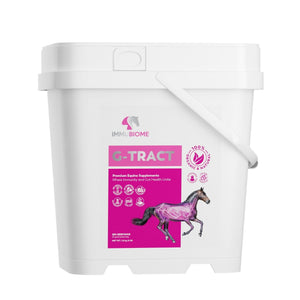
G-Tract
4.93 (778)
From $69
Probiotics, live yeast, colostrum and Turkey Tail and Lion’s Mane prebiotics for normal digestion from stomach to hindgut.
More ImmuBiome formulas
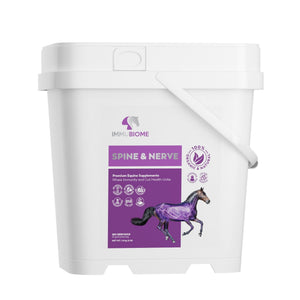
Spine & Nerve
4.9 (1275)
From $69
Lion’s Mane plus five more mushrooms for daily spine and nerve support.
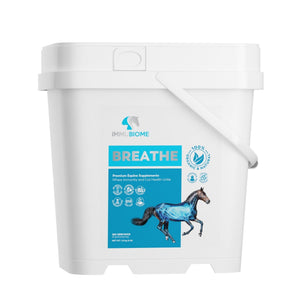
Breathe
4.91 (545)
From $69
Cordyceps, Reishi and Chaga for healthy airways in dust and pollen season.
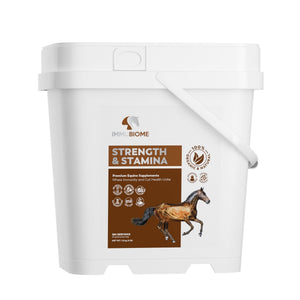
Strength & Stamina
4.96 (358)
From $69
Cordyceps, King Trumpet and colostrum for hooves, coat and stamina.
Keep reading

Horse Esophagus & Stomach: Anatomy Owners Can Use
Read the article
Horse Dentition: Teeth, Digestion & Care
Read the article
Horse Colic Basics Every Owner Needs
Read the articleThese statements are about nutritional support only. ImmuBiome supplements are not drugs and don't take the place of veterinary care. Talk with your veterinarian about your horse's specific needs.
