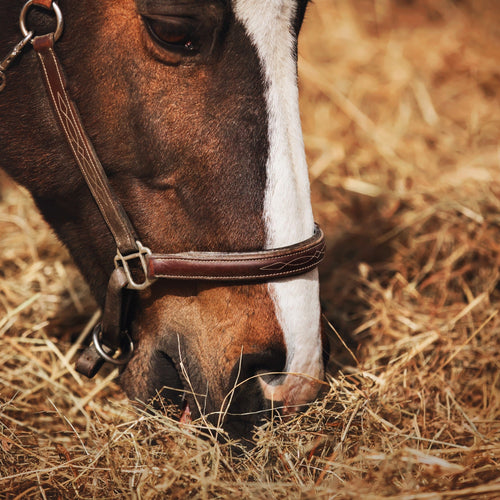
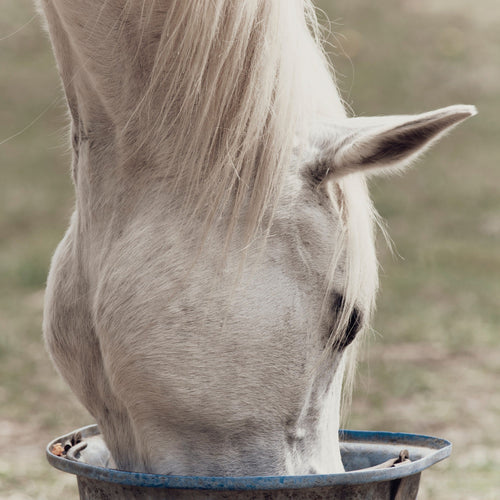
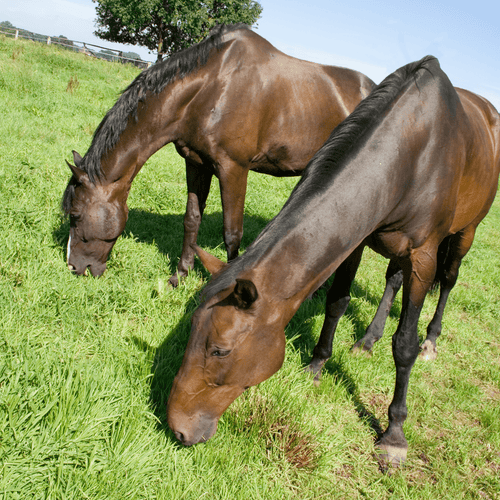
A horse who drops feed, quids hay, loses weight, or tosses his head under saddle may have a dental problem as much as a "gut" problem. Digestion starts in the mouth. This chapter of the series corrects an old typo in the title (Detention → Dentition) and looks at how teeth shape what the rest of the digestive tract can do.
A quick look at equine teeth
Mature mares usually have 36–40 teeth, and males often have about 40, not counting wolf teeth. The incisors are at the front, and the premolars and molars make up the cheek-tooth arcade. Canines may appear in the interdental space between them. Wolf teeth, when a horse has them, sit just in front of the premolars.
Horses have hypsodont teeth: tall teeth that keep erupting over the horse's lifetime, on the order of a couple of centimeters a year. The circular grinding motion of chewing wears them down. When that wear is uneven, you get hooks, ramps, waves, and sharp enamel points.
Why dentistry is gut care
A horse who can't chew properly swallows bigger particles with less saliva to buffer them, and that causes trouble further down, from choke risk to incomplete digestion and weight loss. Watch for quidding, feed packed into the cheeks, nasal discharge tied to tooth root problems, undigested grain in the manure, or a horse who resists when the bit presses on sore spots.

What you can do
- Book routine dental exams with a qualified equine veterinarian or dentist
- For seniors, match the form of forage to what their teeth can manage (soaked cubes, chopped forage, and so on, per professional advice)
- Call promptly about sudden changes in eating, a foul odor, or facial swelling
No supplement floats teeth. For a senior who also needs digestive nutritional support while his diet is being adjusted, G-Tract can be part of a forage-first program. For more on this end of the tract, read Upper Digestive Tract and Esophagus and Stomach, or browse our hindgut support collection.
These statements are about nutritional support. ImmuBiome supplements are not intended to diagnose, treat, cure, or prevent any disease.
Dental questions
Why did the old title say Detention? It was a typo for Dentition. The slug still contains "detention" so existing links don't break, but the title you see is corrected.
How often should teeth be checked? Ask your veterinarian. Many adult horses are seen once a year, while young and senior horses may need exams more often.
Can sharp points cause colic? Dental pain and poor chewing add to the risk factors, and any colic still calls for a veterinary exam.